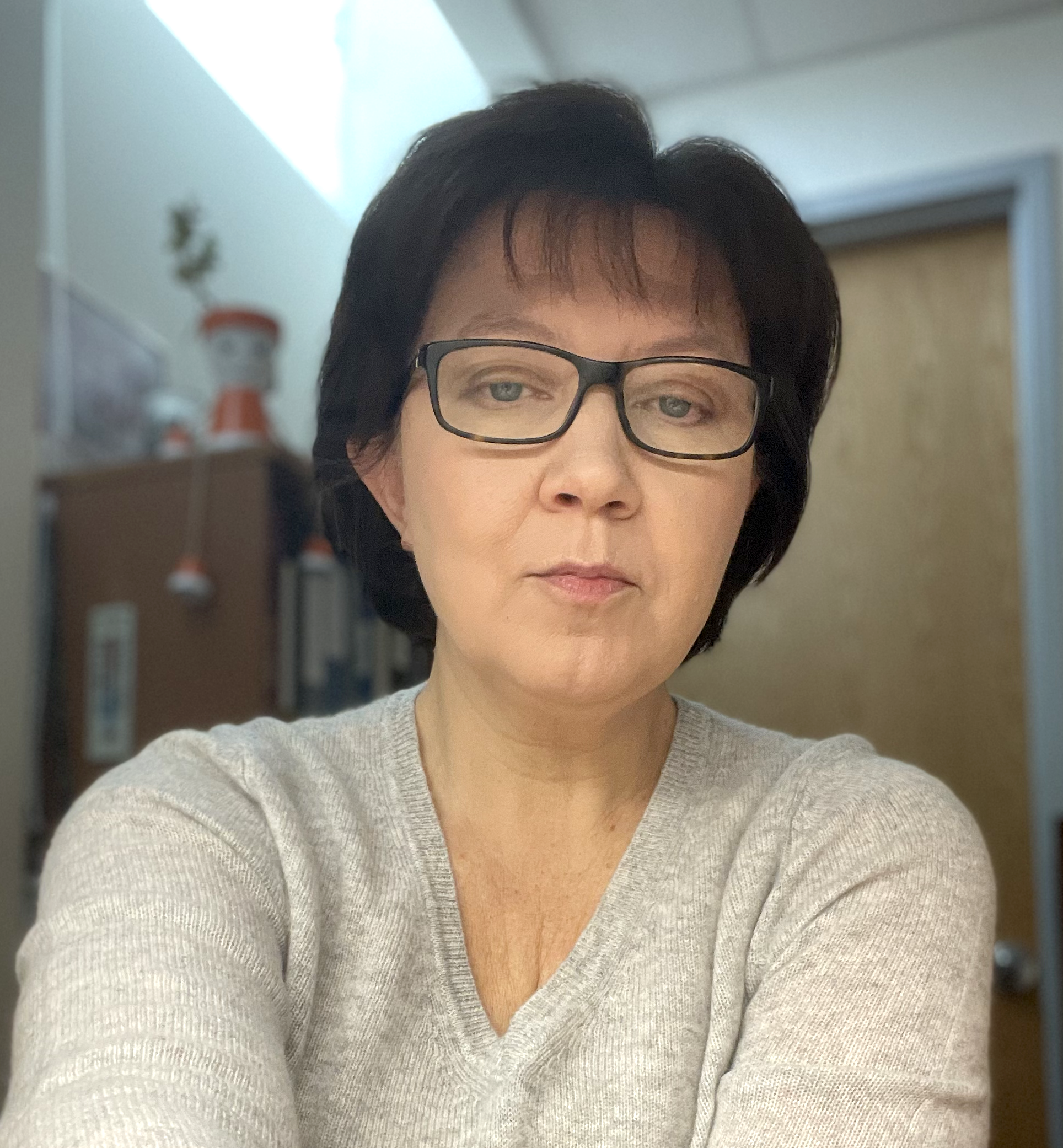
In her free time, Lena enjoys thinking and visual arts. She also loves coffee, classical, techno, and rap music!

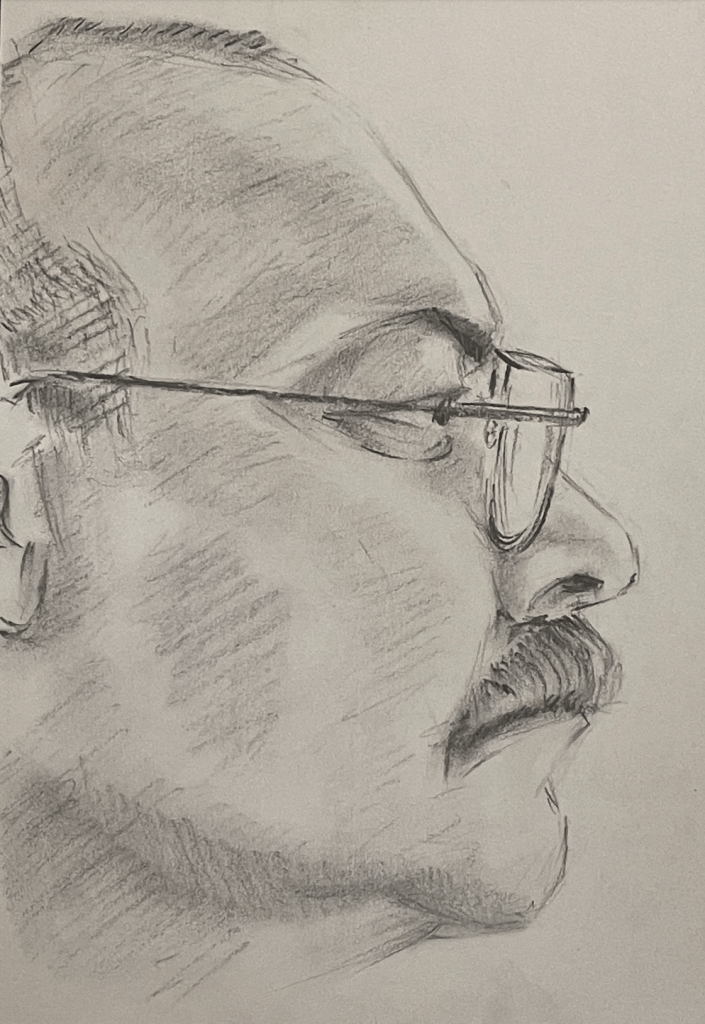
My path in science was unusual; it integrated a few unexpected turns and, yet, steadily led me toward my life goal: to build and spread the knowledge. Two major questions shaped my career:
how does the living cell know when to divide and when not to? How does the living cell know when to transform and what to become?
These questions describe the balance of life: proliferation and quiescence (resting, dormancy, development). Life blooms because of the tight cooperation of these two conflicting processes. While numerous laboratories around the world continuously work to address these questions, they still stand given the extreme complexity of these underlying processes.
I started my journey in science after I obtained a PhD in Biochemistry of Microorganisms from the Russian Academy of Sciences (IBPM, Puschino, Russia). Brifly after I moved to United States and began to study the magnificent world of eukaryotic cell biology. In Dr. Vladimir Lupashin’s lab (UAMS, AR), I discovered and characterized a new conserved protein complex localized on the cis-Golgi and showed the complex involvement in retrograde ER-Golgi protein trafficking [1]. A year later, this complex was named the Conserved Oligomeric Golgi (COG) complex. I also studied trafficking of the surface inflammatory receptors in mammalian cells (MSU-Bozeman, Dr. Heini Miettinen’s lab) [2] and analyzed pathways regulated by thioredoxin reductase1 in txnrd- mice (MSU-Bozeman, Dr. Edward Schmidt’s lab) [3]. This experience gave me a crucial understanding of the host side of the parasite biology.
In 2009 I joined Dr. Michael White’s lab at USF (Tampa, FL) and found the perfect marriage of my skills and interests. It triggered my transition to independence. I began studies of the apicomplexan cell cycle, which I continue to date.
To learn about our most critical findings and research, click on the hyperlinks for our research and publications!
- Suvorova ES, Duden R, Lupashin VV. The Sec34/Sec35p complex, a Ypt1p effector required for retrograde intra-Golgi trafficking, interacts with Golgi SNAREs and COPI vesicle coat proteins. The Journal of Cell Biology. 2002; 157(4):631-43 PMID: 12011112
- Suvorova ES, Gripentrog JM, Miettinen HM. Different endocytosis pathways of the C5a receptor and the N-formyl peptide receptor. Traffic 2005; 6(2):100-15 PMID: 15634211
- Suvorova ES, Lucas O, Weisend CM, Rollins MF, Merrill GF, Capecchi MR, Schmidt EE. Cytoprotective Nrf2 pathway is induced in chronically txnrd 1-deficient hepatocytes. PloS One. 2009; 4(7):e6158. PMID: 19584930
 The Suvorova Lab